

How Much Does a Sauna Cost in Chambersburg, Hagerstown, and Martinsburg?
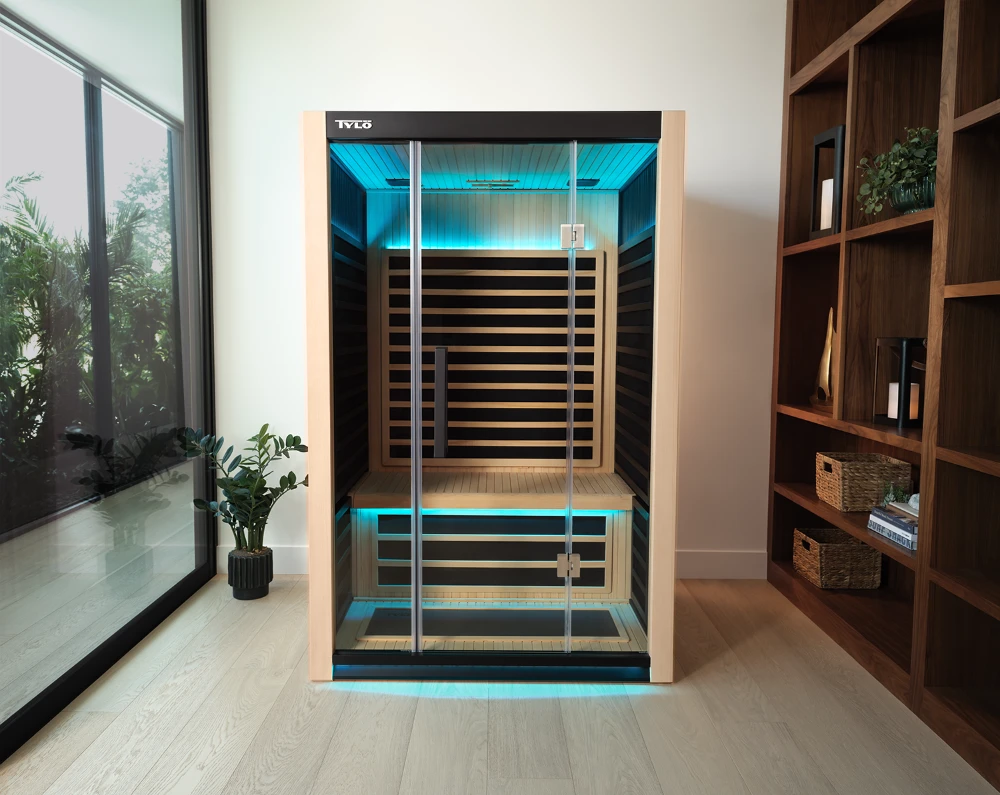
Adding a sauna to your home is a great way to transform an indoor space or backyard into a personal wellness retreat. Whether you’re in Chambersburg, PA, Hagerstown, MD, or Martinsburg, WV, a home sauna can provide a convenient place to relax, unwind, and enjoy the sauna experience throughout the year.
But before choosing a model, there’s an important question to answer: How much does a sauna cost?
Sauna prices vary considerably based on the type, size, materials, features, and whether you’re considering an indoor or outdoor model. Here’s what homeowners in the tri-state area should know when planning their investment.
How Much Does a Sauna Cost in Chambersburg, Hagerstown, or Martinsburg?
For homeowners in Chambersburg, Hagerstown, and Martinsburg, sauna pricing generally falls into three main ranges:
- Infrared Saunas: $7,000–$11,000
- Traditional & Hybrid Saunas: $10,000–$17,000
- Outdoor & Luxury Saunas: Around $20,000 or more
These ranges provide a useful starting point, but the final cost will depend on the sauna you choose, its size, features, materials, and the requirements of your home.
When comparing sauna prices, it’s also important to look beyond the initial price tag. Construction quality, heating performance, warranty coverage, energy efficiency, and long-term durability can all affect the overall value of your investment.
How Much Does an Infrared Sauna Cost?
Homeowners considering an infrared sauna can generally expect to spend between $7,000 and $11,000.
Unlike traditional saunas that heat the surrounding air, infrared saunas use infrared heaters to warm the body more directly. They are popular with homeowners who want a comfortable home wellness experience and straightforward operation.
The price of an infrared sauna can vary depending on factors such as:
- Seating capacity
- Type and placement of infrared heaters
- Wood and construction quality
- Digital controls
- Lighting
- Audio and entertainment features
- Overall design and finish
A smaller sauna with fewer features will typically fall toward the lower end of the range, while larger and more feature-rich models may approach $11,000.
How Much Does a Traditional or Hybrid Sauna Cost?
A traditional or hybrid sauna generally costs between $10,000 and $17,000.
Traditional saunas provide the classic high-temperature sauna experience. Hybrid models give homeowners additional flexibility by combining more than one heating method in a single sauna.
These models can cost more than an infrared sauna because of differences in heating systems, construction, size, materials, and available features.
For homeowners who want a more traditional sauna experience or greater flexibility in how they use their sauna, the additional investment may be worthwhile.
How Much Does an Outdoor or Luxury Sauna Cost?
For an outdoor or luxury sauna, homeowners should plan on an investment of around $20,000 or more.
Outdoor saunas require construction that can withstand changing weather conditions throughout Pennsylvania, Maryland, and West Virginia. Quality insulation, weather-resistant materials, and durable construction become especially important when a sauna will be exposed to cold winters, summer heat, rain, and snow.
Luxury models may also offer larger interiors and premium features such as:
- Upgraded wood finishes
- Larger glass areas or panoramic windows
- Premium lighting
- Advanced controls
- Multiple seating levels
- Architectural design details
- Enhanced heating systems
An outdoor sauna can also become an important design element in a larger backyard wellness space, particularly when paired with a hot tub or cold plunge.
What Impacts the Cost of a Home Sauna?
Two saunas that look similar at first glance can have very different prices. Understanding what you’re paying for can make it easier to compare models and decide which features matter to you.
1. Sauna Type
The heating technology is one of the biggest factors affecting price.
An infrared sauna offers a different experience from a traditional sauna, while a hybrid sauna provides multiple options within one unit. Rather than choosing solely by price, consider which type of sauna experience you’re most likely to use consistently.
2. Indoor vs. Outdoor Sauna
Where you want to put your sauna also affects the type of product you’ll need.
Indoor saunas benefit from being protected from the elements and can work well in spaces such as home gyms, finished basements, or dedicated wellness rooms.
Outdoor saunas need to withstand the tri-state region’s changing seasons. That makes construction quality, insulation, and weather resistance particularly important.
3. Sauna Size and Capacity
How many people do you expect to use your sauna at once?
A compact sauna designed for one or two people will generally cost less than a larger model with room for family or friends.
Before buying, consider both your typical use and the available space. Bigger isn’t necessarily better if you’re primarily looking for a private sauna for one or two people.
4. Materials and Construction Quality
The materials used to construct a sauna influence its appearance, performance, durability, and price.
Quality wood, sturdy benches, properly designed doors, effective insulation, and durable hardware can all contribute to a sauna that performs better and lasts longer.
For an outdoor sauna in Chambersburg, Hagerstown, or Martinsburg, construction quality becomes even more important because of seasonal temperature and weather changes.
5. Features and Upgrades
Today’s home saunas can include considerably more than a heater and benches. Depending on the model, options may include:
- LED or ambient lighting
- Bluetooth audio
- Digital controls
- Glass doors
- Panoramic windows
- Ergonomic seating
- Premium interior finishes
- Advanced heating controls
These features can make the sauna more enjoyable, but they also affect the final price. Prioritizing the features you’ll actually use can help you get better value from your investment.
What Does a Sauna Cost to Operate?
The upfront purchase price isn’t the only number to consider. You’ll also want to think about ongoing energy use and maintenance.
Actual electricity costs depend on the sauna’s heater, size, insulation, local electricity rates, how frequently you use it, and how long each session lasts.
Saunas are generally straightforward to maintain. Regular cleaning and following the manufacturer’s recommended maintenance schedule can help protect the wood, heater, controls, and other components.
When comparing models, ask about expected energy consumption and maintenance requirements rather than relying on a generic monthly operating-cost estimate. Your actual costs can vary significantly based on how you use the sauna.
Is a Home Sauna Worth the Investment?
Whether a sauna is worth $7,000, $15,000, or $20,000 depends on how you plan to use it.
For some homeowners, the biggest advantage is having a dedicated place to relax without leaving home. Others incorporate a sauna into a larger wellness routine or pair it with a hot tub or cold plunge.
A home sauna can offer:
- A convenient space for relaxation
- Year-round use
- A dedicated home wellness area
- An attractive addition to an indoor or outdoor space
- The convenience of enjoying a sauna without traveling to a gym or spa
The more frequently you expect to use your sauna, the more important quality, comfort, and ease of use become.
FAQs About Sauna Costs
How much does an infrared sauna cost?
A quality infrared sauna generally ranges from $7,000 to $11,000, depending on size, construction, heating technology, and features.
How much does a traditional sauna cost?
Traditional and hybrid saunas generally range from $10,000 to $17,000. Size, materials, heater configuration, and upgrades can affect the final price.
How much does an outdoor sauna cost?
Outdoor and luxury saunas are generally around $20,000 or more, depending on the model, size, construction, and features.
Can I use an outdoor sauna year-round in Pennsylvania, Maryland, or West Virginia?
Yes. A well-built outdoor sauna can be used throughout the year. Proper insulation, weather-resistant construction, and an appropriate heating system are especially important for the seasonal climate in Chambersburg, Hagerstown, and Martinsburg.
Should I choose an infrared or traditional sauna?
That depends on the experience you prefer. Infrared and traditional saunas use different heating methods and provide different experiences. A hybrid sauna may be worth considering if you want more flexibility. Visiting a showroom and comparing the options in person can make the decision much easier.
What should I consider besides the purchase price?
Consider construction quality, warranty, heating performance, energy use, maintenance requirements, size, and the features you’ll actually use. The least expensive sauna isn’t necessarily the lowest-cost option over its full lifespan.
Find the Right Sauna at Flohr Pools
If you’re considering a sauna for your home in Chambersburg, PA, Hagerstown, MD, or Martinsburg, WV, working with a knowledgeable local dealer can help you compare your options and understand what you’re getting at each price point.
Flohr Pools helps homeowners create spaces designed for relaxation, recreation, and at-home wellness. Whether you’re interested in an infrared sauna, traditional or hybrid sauna, or a premium outdoor model, the Flohr Pools team can help you explore the options and find a sauna that fits your space, preferences, and budget.
You can also incorporate your sauna into a larger wellness retreat alongside a hot tub, swim spa, or cold plunge.
Visit Flohr Pools or stop by one of their locations to explore sauna options for your home.
Bottom line: Expect to spend approximately $7,000–$11,000 for an infrared sauna, $10,000–$17,000 for a traditional or hybrid sauna, and around $20,000 or more for an outdoor or luxury sauna. The right choice comes down to the experience, size, features, and quality you want from your investment.